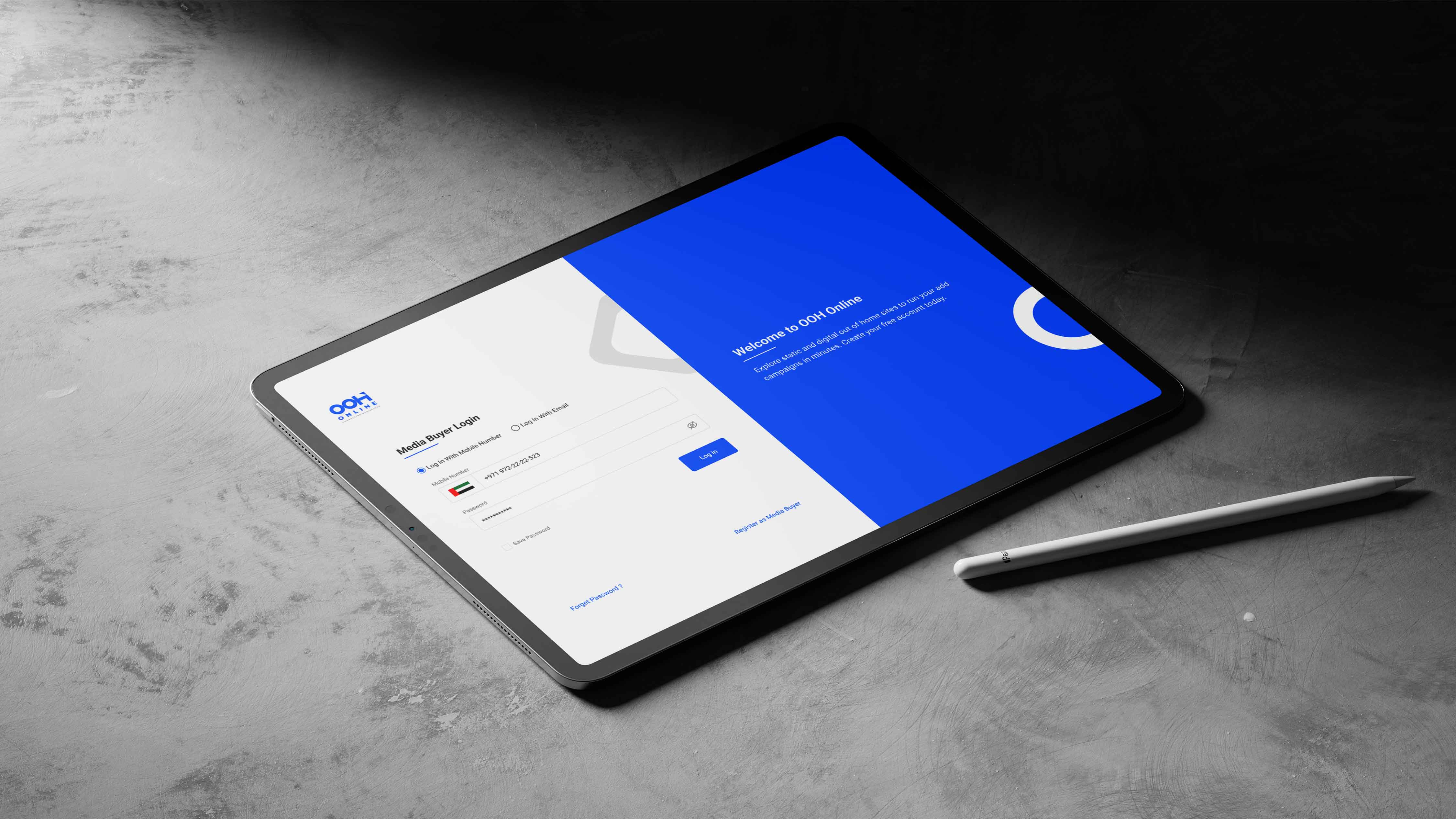
OOH Online, Experience Seamless Advertising
Emirates Neon Group (ENG), Sharjah, UAE | Aug 2020 to Sep 2022
What is OOh Online
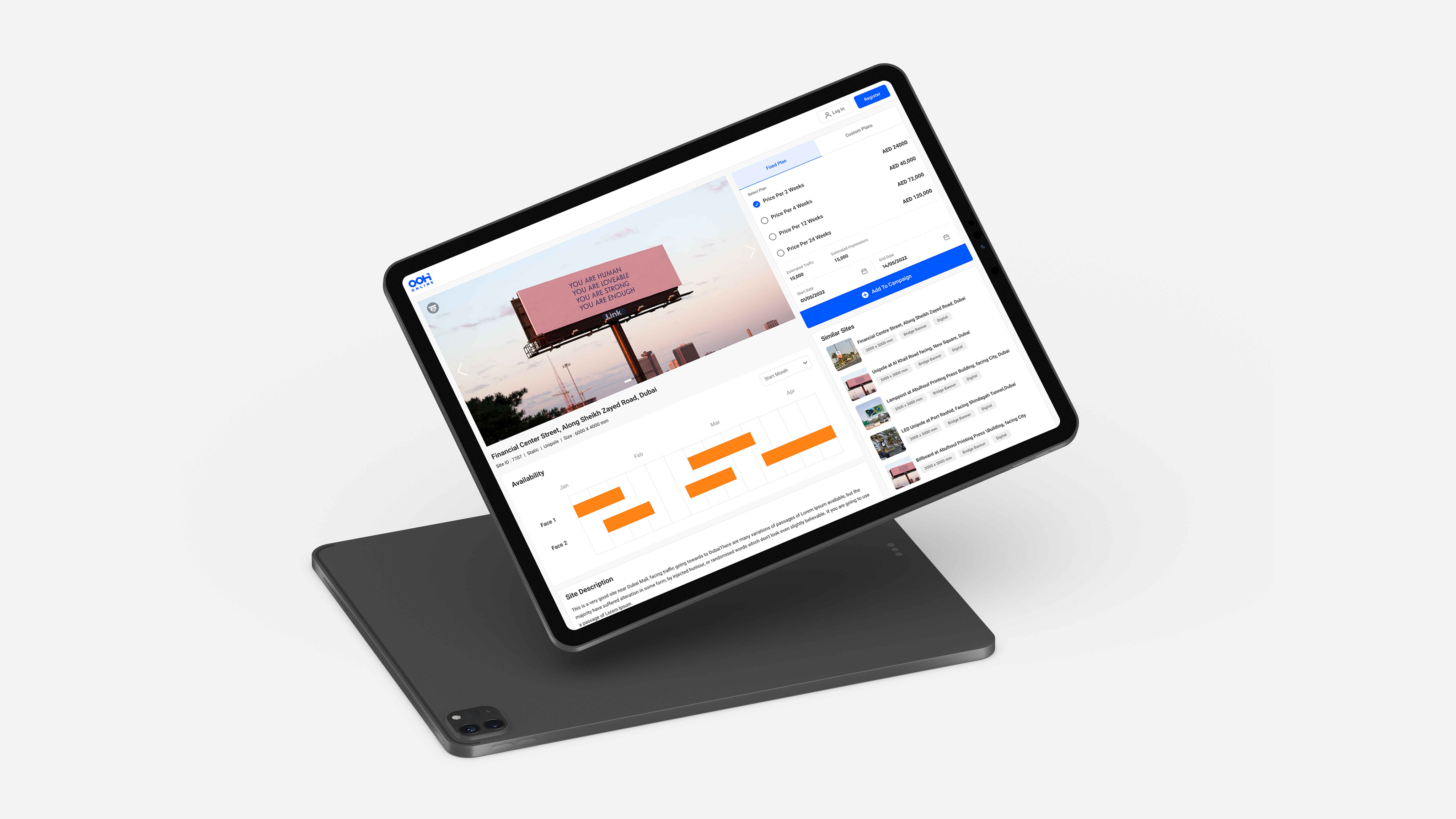
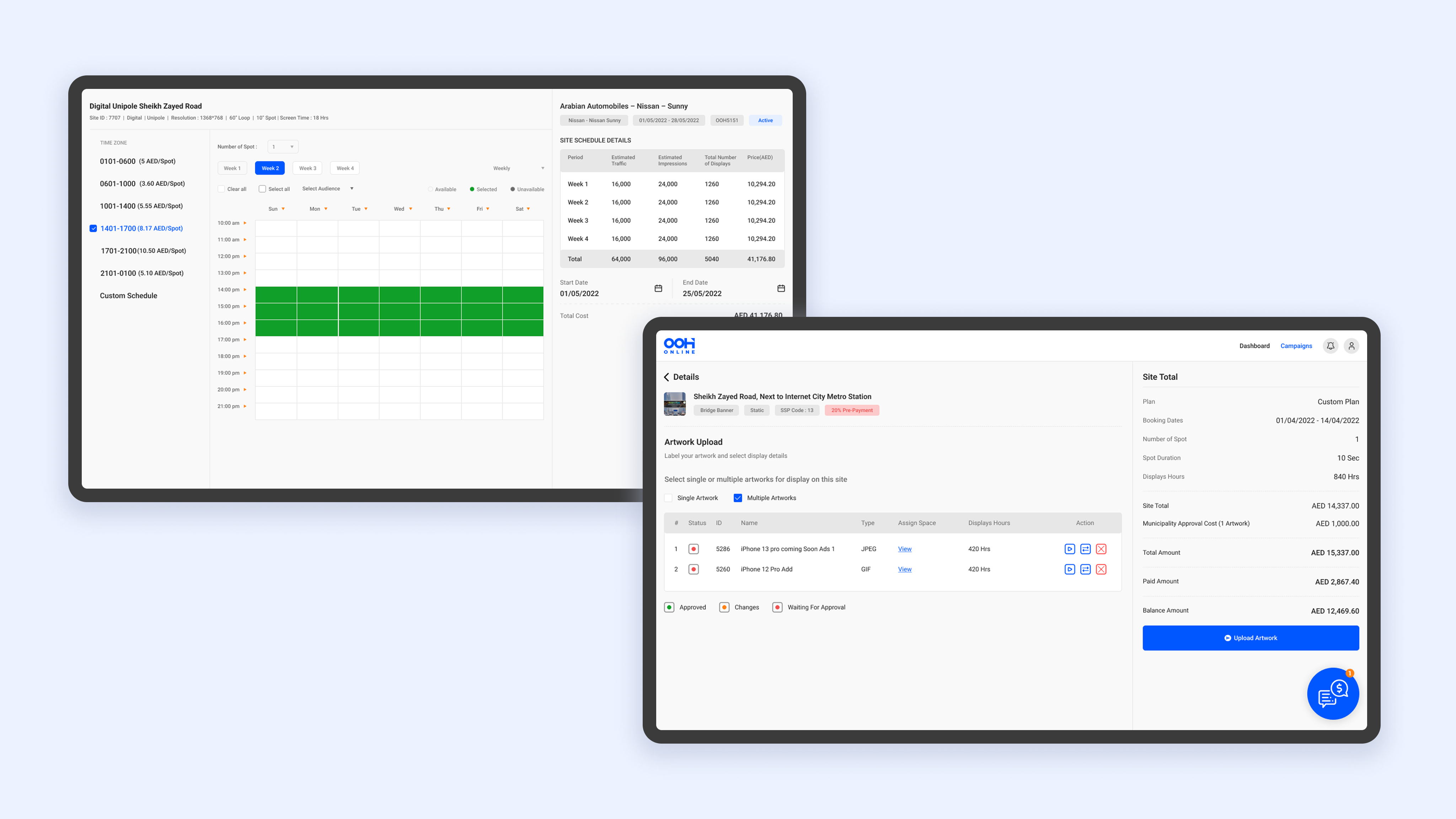
OOH Online is a UAE-based digital platform designed to simplify the buying and selling of advertisement spaces on both digital and static screens. It enables businesses and advertisers to seamlessly negotiate prices, purchase multiple ad spaces, and run targeted campaigns efficiently. The platform also streamlines municipality approval processes, ensuring a hassle-free experience for advertisers.
With real-time analytics, OOH Online provides valuable insights into human reactions, traffic data, and ad performance, allowing businesses to make data-driven decisions. By offering an integrated solution for campaign management, reporting, and optimization, OOH Online transforms Out-Of-Home (OOH) advertising into a more accessible, transparent, and impactful marketing channel.
Project Objective
Managing advertisement spaces and running campaigns is complex and fragmented. Businesses face challenges in buying, selling, and negotiating ad spaces, obtaining municipality approvals, tracking performance analytics, and managing campaigns efficiently. The lack of an integrated system results in delays, mismanagement, and revenue loss.
Problem Statement
Students preparing for competitive exams like NEET and JEE often face unstructured content, inconsistent evaluation, and limited insights into their performance. Educators and institutes struggle with managing batches, creating quality tests quickly, and tracking overall student progress.
Solutions
To solve these challenges, we designed AdSpace, an intuitive online platform that:
- Simplifies Ad Transactions – Enables seamless buying, selling, and negotiation between advertisers and site owners.
- Automates Approvals – Integrates a structured workflow for municipality permissions to reduce delays.
- Provides Data-Driven Insights – Advanced analytics & reporting help businesses track campaign performance.
- Enhances Campaign Management – Centralized dashboard for budgeting, scheduling, and monitoring ads.
- Ensures User Control & Discounts – Role-based user management and flexible discounting features.
This comprehensive UI/UX design ensures a smooth, efficient, and scalable ad management experience.
Initial Process
Since OOH Online is also used by site buyers and sellers, we spent hours discussing their pain points with the engineering team and understanding what prevents their deals from moving forward.
We created several flowcharts detailing the process of buying and selling, how campaigns are created and managed by buyers, and, most importantly, the negotiation process between buyers and sellers. We discussed these features with the engineering team and then shared them with external stakeholders. This helped the team gain a clearer understanding of how to structure our design process.
From there, we moved on to establishing key assumptions for the design, ranging from expected user action flows and information architecture to specific UI choices.
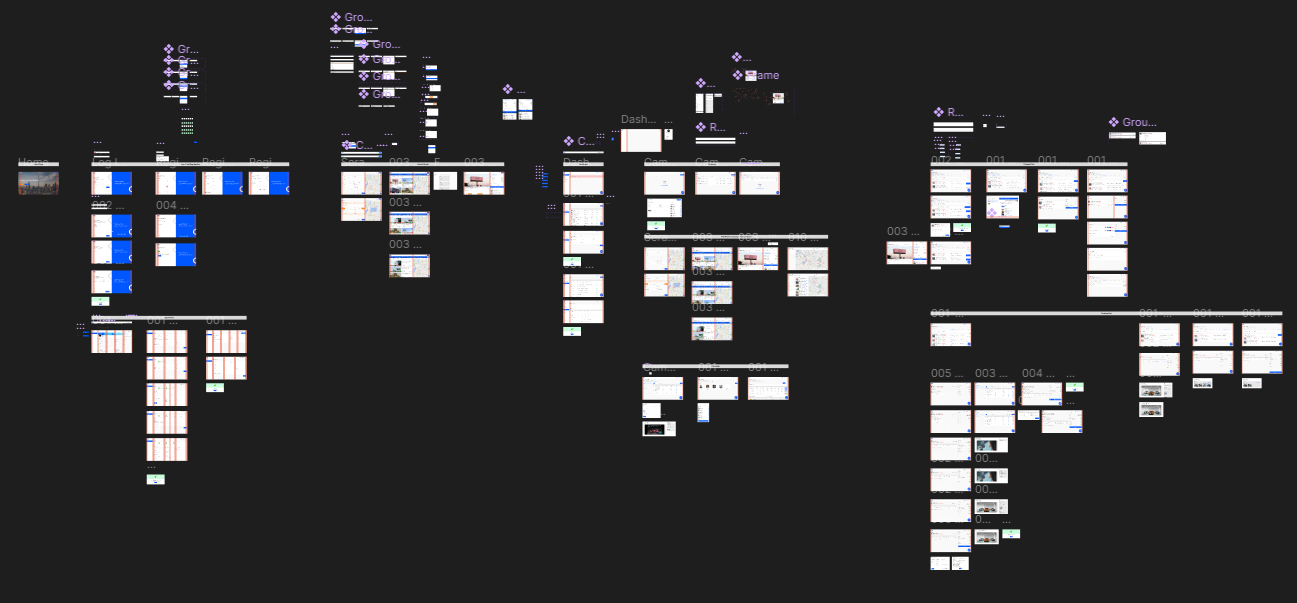
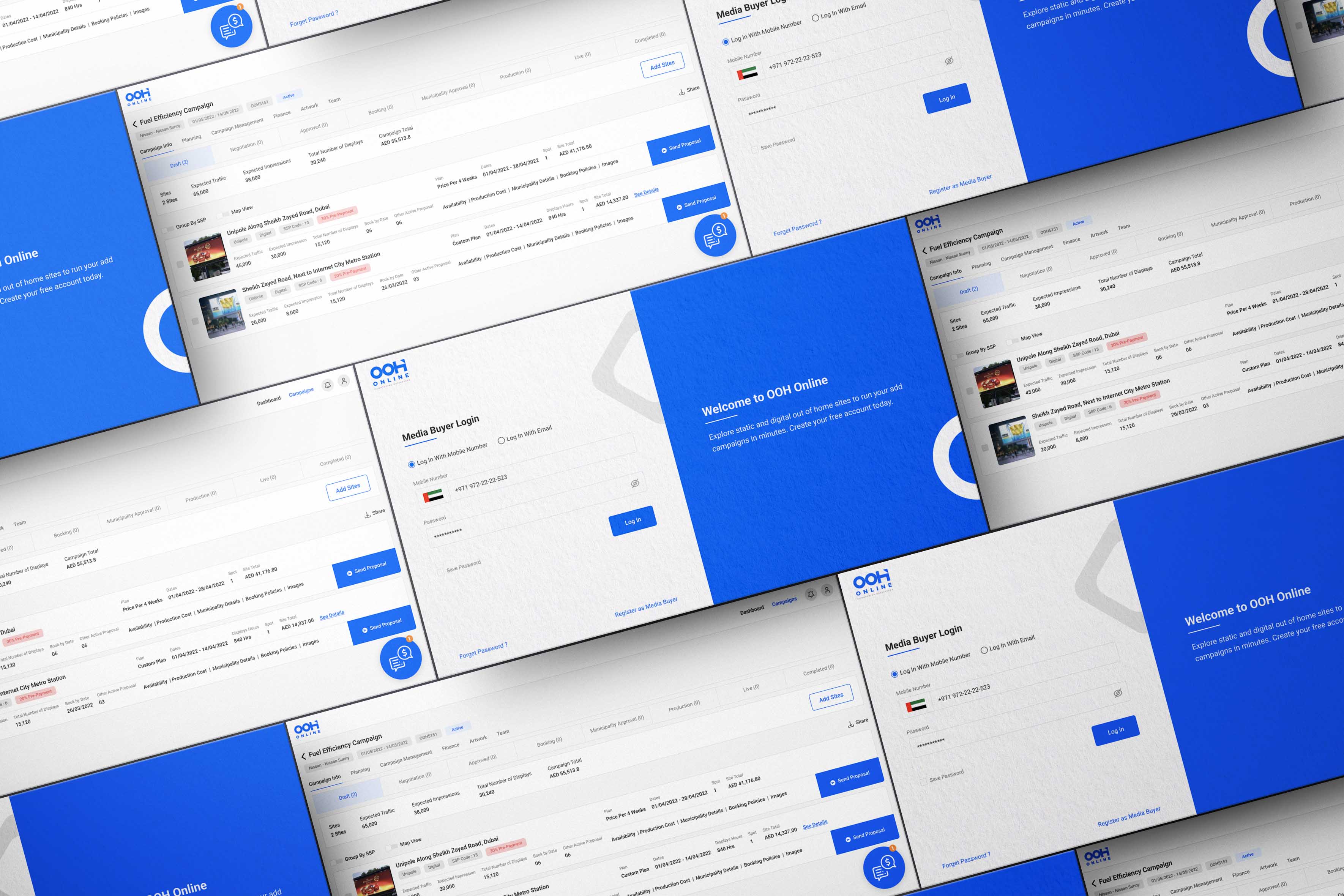
High Fidelity Mock-Up